Fourth of July Mental Health: How to Protect Your Peace
Independence Day can look fun from the outside and still feel hard in your body. Fireworks, family tension, late nights, crowds, grief, and the pressure to have a good time can wear you down fast.
If this holiday affects your mental health and makes you feel anxious, sad, irritable, or lonely, nothing is wrong with you. A lot of people struggle with holiday stress and need more calm than this day usually offers, and that is exactly where it helps to start.
Key Takeaways
- Recognize your limits: It is perfectly normal to feel overwhelmed by the noise, social pressure, and sensory input of the Fourth of July; you do not have to perform happiness to have a successful holiday.
- Prioritize your nervous system: Use proactive boundaries, such as driving yourself to events or skipping fireworks, to minimize triggers and keep your stress levels manageable.
- Utilize grounding techniques: Simple methods like deep breathing, physical grounding, or using earplugs can help you regain a sense of calm if you become triggered by sudden noises or social situations.
- Plan for predictability: Whether for yourself or children, having a clear, low-pressure plan and knowing you have an exit strategy can significantly reduce anxiety and help you feel more secure.
Why Independence Day and 4th of July and Mental Health Can Be Complex
This holiday can hit harder than people expect. There is noise, traffic, heat, disrupted routines, social pressure, and often alcohol on top of it all. Even if you like parts of the day, your nervous system may not love the full package.
Some people move through it without much trouble. Others feel edgy all day, then crash at night. Both reactions are normal.
Fireworks, noise, and sensory overload
For some people, fireworks are annoying. For others, they feel like a threat the body cannot ignore.
Loud, sudden sounds can trigger panic, jumpiness, or old trauma responses. This is a common experience for military veterans, and it can significantly impact those living with Post Traumatic Stress Disorder. For individuals managing PTSD, the sudden explosions can lead to severe sensory overload, which may trigger distressing flashbacks or the resurfacing of traumatic memories. That can happen to survivors of violence, kids with sensory sensitivities, people with anxiety, or anyone who already feels maxed out. Pets often react too, which can add another layer of stress at home.
When your body is bracing for the next boom, it is hard to relax, talk, eat, or sleep. If you are navigating PTSD, you might feel silly for being bothered. You might tell yourself to get over it. Still, your nervous system does not care whether other people think fireworks are fun. It reacts to what feels unsafe.
 ### Family gatherings and social pressure
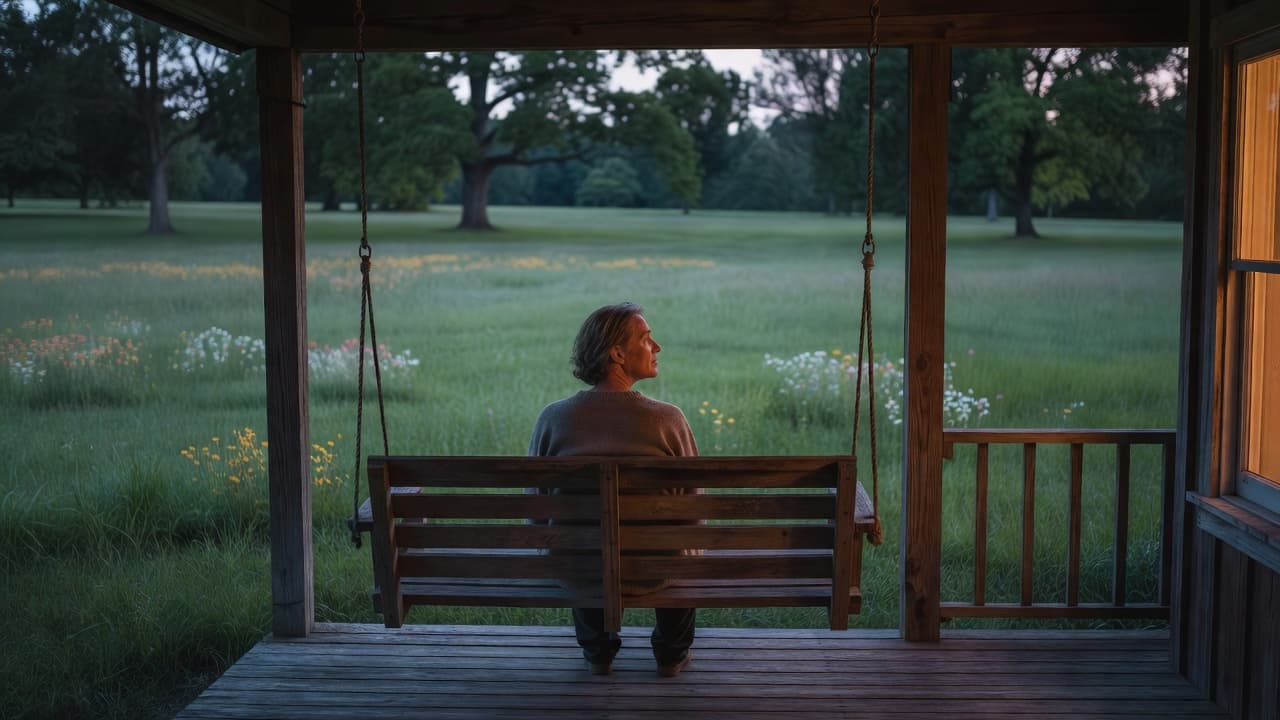
Holiday gatherings can bring old patterns right back to the surface. One comment from a sibling, one political argument, or one awkward question about your job, body, relationship, or parenting can make the day feel less like a cookout and more like emotional dodgeball.
Even good people can be draining in big doses. If you are already dealing with depression, burnout, or relationship strain, a long family event may feel like too much. Add heat, noise, and no alone time, and irritability starts to make sense.
There is also pressure to look cheerful, which can be particularly difficult if you experience social anxiety. You may feel like everyone else is having a great time while you are counting the minutes until you can leave. Holiday stress often affects sleep, appetite, tension, and physical health too, which this overview of holiday stress and health explains in a clear, practical way.
Grief, trauma, and painful memories
Holidays can magnify what is missing. A loved one is gone. A relationship changed. Life does not look the way it used to. The noise and celebration around you can make that absence feel louder.
For some people, the Fourth of July stirs up military related trauma, difficult childhood memories, or a general sense of not feeling safe. Others feel lonely in a crowd. You can be surrounded by people and still feel far away.
That does not mean you are doing the holiday wrong. It means certain dates carry weight. If this day reminds you of pain, loss, or a season of life you miss, your feelings belong here too.
Simple ways to protect your mental health on the Fourth of July
You do not need a perfect plan. You need one that fits your actual limits.
Protecting your peace may look small from the outside. It still counts. A shorter visit, a quieter setting, or a firm boundary can change the whole day.
Set a plan that fits your limits
Decide ahead of time what you want this holiday to look like. Focus on what you can truly handle rather than what you feel you "should" do. Prioritizing self-care means building a day that honors your energy levels. Consider these options:
- Attend one event instead of trying to hit three.
- Show up for dinner but plan to skip the fireworks.
- Drive yourself so you have the flexibility to leave whenever you choose.
- Choose one trusted person you can text if you begin to feel overwhelmed.
- Identify where you can step away for a few minutes if you need a break.
You do not have to stay until the fireworks end to prove you are okay. A proactive plan lowers stress because your body knows it has options.
Effective coping strategies and grounding techniques
When anxiety rises, simple things work better than complex solutions. Incorporating grounding techniques and mindfulness can help your nervous system get the message that you are here, now, and not trapped. Try these methods:
- Practice slow, deep breathing to regulate your nervous system.
- Place both feet firmly on the floor to feel centered.
- Get outside for a few minutes of fresh air.
- Sip cold water or eat a small snack with protein.
- Use mindfulness to focus on your immediate surroundings rather than the stress of the event.
- Move away from the noise if you can.
These steps are not magic; they are forms of support. If loud sounds are a big trigger, earplugs or noise-canceling headphones can help you manage the volume of fireworks. So can a quiet room, a short walk, or a few minutes in the car with the door closed. These Fourth of July mental health tips include extra ideas that are easy to use in the moment.
Protect your sleep, routine, and downtime
Holiday stress grows fast when the basics fall apart. If you can keep a few parts of the day steady, everything may feel more manageable for your mental health.
Try to eat regular meals and take your medication on time. Rest before the evening gets loud, not only after. If you know sleep will be rough, build in downtime the next day instead of packing your schedule full.
This matters for kids too, but adults need it just as much. Routine is not boring when your nervous system is overloaded. Routine is relief.
How to support kids and teens through holiday stress
Kids and teens do not always say, "I'm overstimulated." They show you in other ways.
A child may get clingy, tearful, wired, or defiant. A teen may snap, shut down, isolate, or act like they don't care. Changes in behavioral health are often a clue that the day feels too big.
 ### Watch for signs they need a break
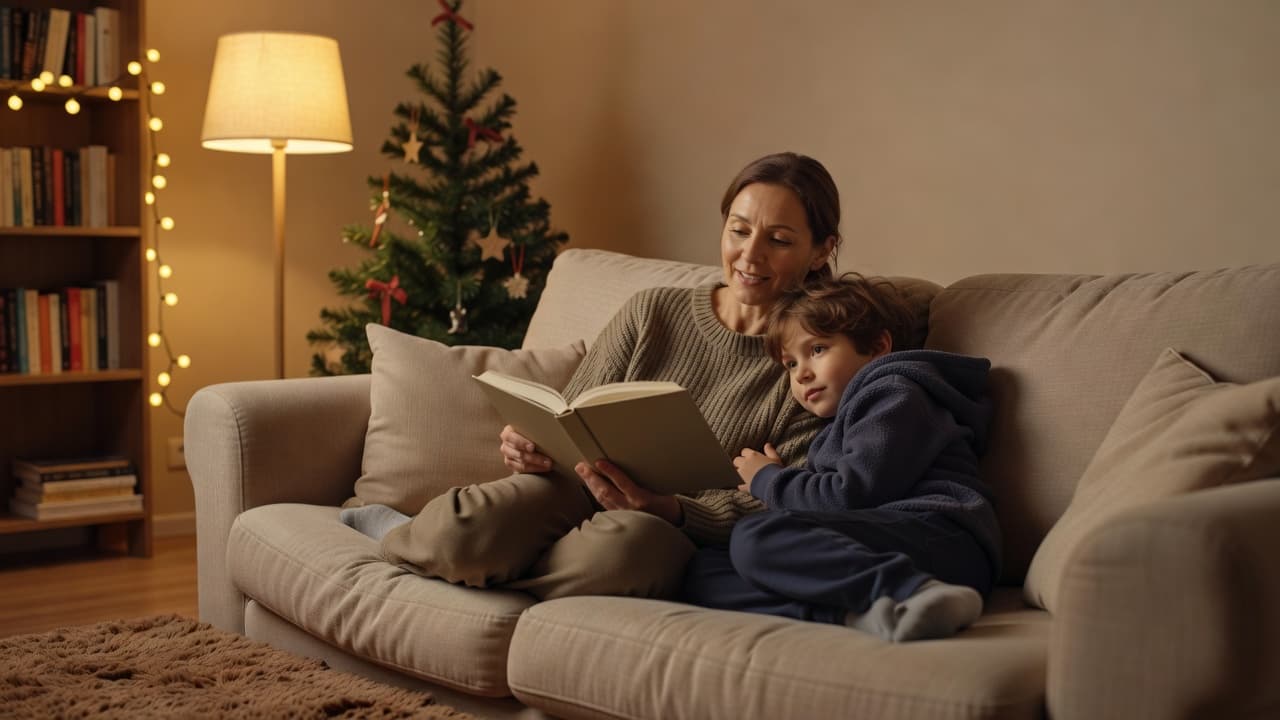
Pay attention to the shift, not only the behavior. If your child usually does fine and suddenly starts crying, hiding, picking fights, or refusing to join in, they may need mental health support and less stimulation, rather than more correction.
The same goes for sleep trouble after the holiday. A child or teen who keeps replaying fireworks, wakes often, or seems extra worried may still feel activated. That is a sign to slow things down and check in.
Try simple questions. "Too loud?" "Want a break?" "Do you want to sit with me?" You are not looking for a perfect answer. You are helping them feel seen.
Make the day feel more predictable
Tell kids what the plan is before the day starts. Let them know if fireworks are coming, where you will be, and what they can do if they want a break. Predictability lowers fear.
Comfort items help too. A favorite blanket, headphones, snacks, a book, or a quiet game can make a crowded event feel less overwhelming. Teens may want an agreed-upon signal when they are done and ready to leave.
If you are looking for more broad holiday support ideas, this mental health holiday guide has useful reminders about rest, light, and checking in with yourself. Sometimes a calmer day, not a bigger day, is what children remember most warmly because it avoids the common pitfalls of holiday stress.
When holiday stress is a sign you may need more support
A hard holiday does not always mean something bigger is wrong. However, if your emotional reaction sticks around, it is worth paying attention.
When stress, sadness, or fear keeps showing up long after the fireworks have faded, that is not something to brush off.
Signs it may be time to talk with a therapist
You may need more professional support if you keep having trouble sleeping, feel on edge most of the time, avoid people or places, have panic symptoms, or cannot shake a heavy mood. Prioritizing your mental wellness is important if you feel stuck for days after a triggering holiday, or if you notice the holiday exposed stress that was already building.
Help does not have to wait until things feel extreme. Therapy can be appropriate when life feels harder than it needs to. Breaking the stigma surrounding these conversations is a vital part of finding relief, whether the issue is relationship strain, anxiety, burnout, or grief.
Immediate Resources
If you or a loved one are in immediate distress, please reach out for help. You can call or text the Veteran Crisis Line by dialing 988 and pressing 1, or visit their website for confidential support anytime.
How therapy can help after the holiday
Therapy helps you understand what got stirred up and what to do next. That may include building coping skills for anxiety, providing support for PTSD triggers, or finding space to process complex emotions. Promoting mental health awareness is a core part of our practice, especially when helping clients repair conflict or manage the effects of PTSD. For some people, EMDR is a beneficial part of that work when trauma memories keep getting activated.
At RAFT Counseling, support is available in person in Parker, CO, and through online therapy across Colorado. Care is available for children, teens, and adults. Depending on the clinician and plan, in-network options may include Cigna, United Healthcare, Medicare, and Colorado Medicaid. If your plan is out of network, a superbill may help with reimbursement, and some private-pay sessions start at $50.
Frequently Asked Questions
Why do fireworks trigger such a strong reaction in some people?
For individuals with PTSD, anxiety, or sensory sensitivities, the sudden, unpredictable nature of loud bangs can signal a threat to the nervous system. This physical reaction often bypasses logic, triggering a fight-or-flight response that makes it difficult to feel safe even when you know you are at a celebration.
Is it rude to leave a holiday gathering early or skip parts of the event?
Prioritizing your mental health is not rude, selfish, or dramatic; it is a necessary form of self-care. Setting firm boundaries, such as arriving late or leaving before the fireworks begin, helps you protect your peace and ensures you aren't forced to endure situations that push you past your limits.
How can I tell if my child is overstimulated by the holiday?
Look for changes in behavior rather than just defiance or irritability. A child might become unusually clingy, tearful, or prone to outbursts, while a teen might shut down, isolate themselves, or become snappish; these are often signals that the environment has become overwhelming for them.
When should I seek professional help for holiday-related stress?
While some holiday stress is common, you should consider speaking with a therapist if your symptoms—such as persistent anxiety, sleep disturbances, or a heavy mood—continue long after the holiday has passed. If you find that the holiday revealed underlying issues or left you feeling stuck, professional support can help you process those emotions and develop effective coping strategies.
A healthier way to celebrate
You do not have to perform happiness to deserve care. Protecting your mental health is not rude, dramatic, or selfish. It is wise. By setting boundaries that prioritize your needs, you can foster better self-care and build the emotional resilience necessary to navigate the day on your own terms.
Maybe your best holiday is quiet. Maybe it is short, simple, and low-noise. Maybe it includes support you did not let yourself ask for before. That still counts as celebrating in a way that honors your life, not only the calendar, allowing you to find your own meaningful way to observe Independence Day.
If support would be helpful for holidays like today or manading daily life stress, reach out to us today. At RAFT Counseling we offer in person therapy support in Parker, Colorado and can meet with you virtually anywhere across CO.