When Anxiety Shows Up With No Clear Reason
You can be answering email, driving home, or folding laundry when your chest tightens and dread rushes in. Nothing seems wrong, which can make the moment feel even more frightening.
Unexplained anxiety is common, and it isn't a sign that you're weak, dramatic, or doing something wrong. Some people call this free-floating anxiety, a plain-language way to describe worry that seems to have no clear target. Your body can sound an alarm before your mind can name what it noticed.
You don't have to solve the mystery while your heart is racing. Try grounding techniques as an immediate, low-pressure first step. Start by helping your body feel a little safer, then look for patterns and support at a pace that feels manageable.
Key Takeaways
- Unexplained or free-floating anxiety can arise when the nervous system detects stress before your mind can identify a clear reason. It is real and does not mean you are weak or doing something wrong.
- During an anxiety spike, start with a small grounding step, such as pressing your feet into the floor, orienting through your senses, moving gently, or making a simple next plan.
- Sleep problems, caffeine, substances, chronic stress, medications, and medical conditions can contribute to anxiety. Brief, compassionate pattern tracking may help you and a clinician understand possible contributors.
- Ongoing anxiety that affects sleep, work, relationships, or daily activities deserves professional support, even without a diagnosis. Therapy, medication, or both may help.
- Seek emergency care for symptoms such as new chest pressure, severe trouble breathing, fainting, seizures, blue lips, or new confusion. Call or text 988 if you are thinking about suicide or cannot stay safe.
Why unexplained anxiety can feel so sudden
Anxiety often comes with a frustrating question: "Why am I feeling this way?" Free-floating anxiety can seem to arise without one identifiable trigger. Poor sleep, a tense conversation, an old memory, and too much caffeine can pile up without announcing themselves.
Your nervous system moves faster than your thoughts
The fight or flight response is designed to react quickly. It scans for changes in your body and surroundings, then prepares you to respond. That can mean a racing heart, sweating, shaky hands, nausea, tight muscles, or a sense that something bad is about to happen.
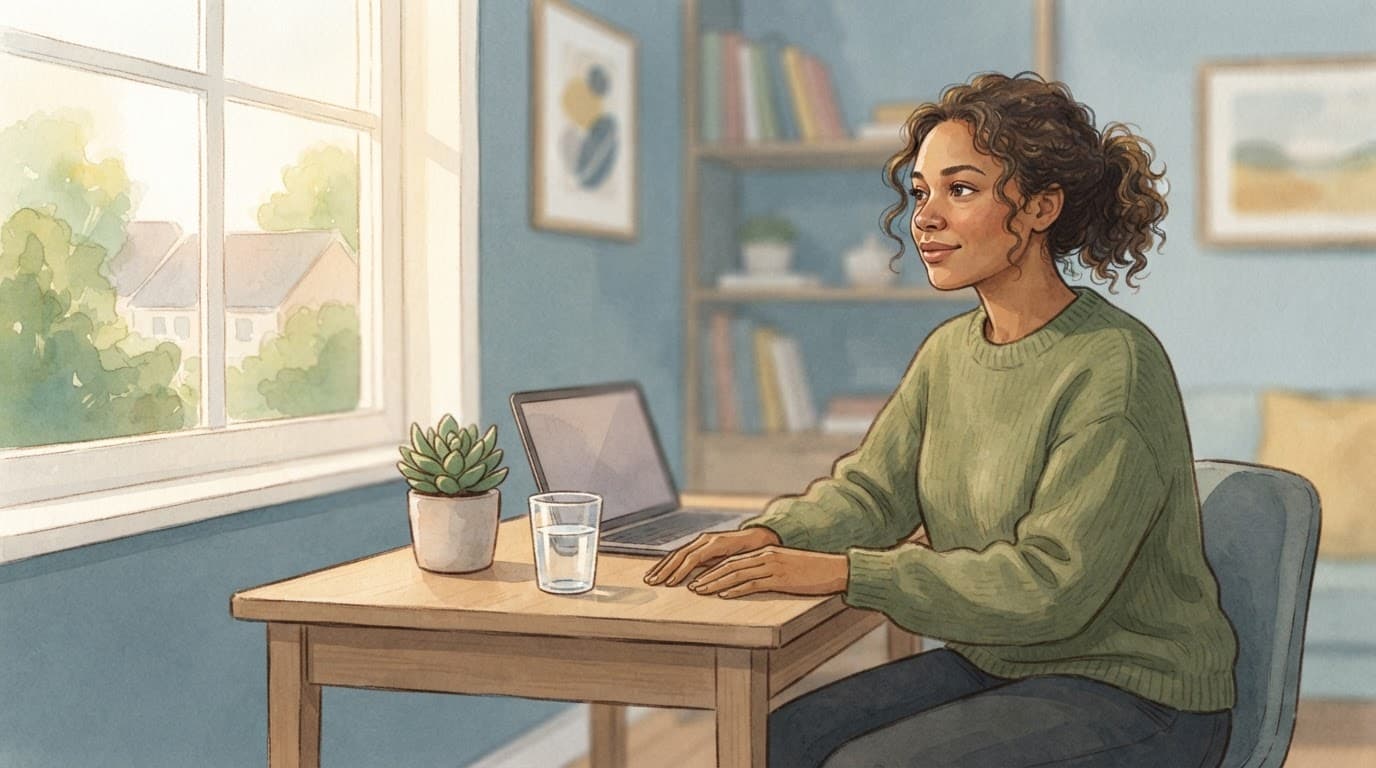
Your mind may only begin looking for a reason after those sensations start. Sitting safely at your computer does not always feel safe when your body is bracing for danger. After a perceived threat passes, the parasympathetic nervous system helps your body recover.
Chronic stress can also raise your baseline level of alertness. Past trauma, difficult childhood experiences, grief, discrimination, relationship strain, or long periods of feeling overwhelmed may leave the nervous system quicker to react. You don't need to remember a specific event for your response to be real.
Brain chemistry is only one piece
Brain messengers such as serotonin, dopamine, and norepinephrine help regulate mood, motivation, and stress responses. Still, brain chemistry is not as simple as having one "wrong" chemical. Genetics, sleep, health, life experiences, relationships, and daily habits all matter.
The National Institute of Mental Health's overview of anxiety disorders includes physical symptoms that are easy to miss, including headaches, stomachaches, sweating, trembling, and trouble sleeping. A clear trigger is not required for those symptoms to deserve care.
A three-part reset for unexplained anxiety
When free-floating anxiety spikes, your first goal doesn't need to be feeling perfectly calm. Choose one of these grounding techniques and try to bring the intensity down by one small degree. That is enough for now.
Begin with your body
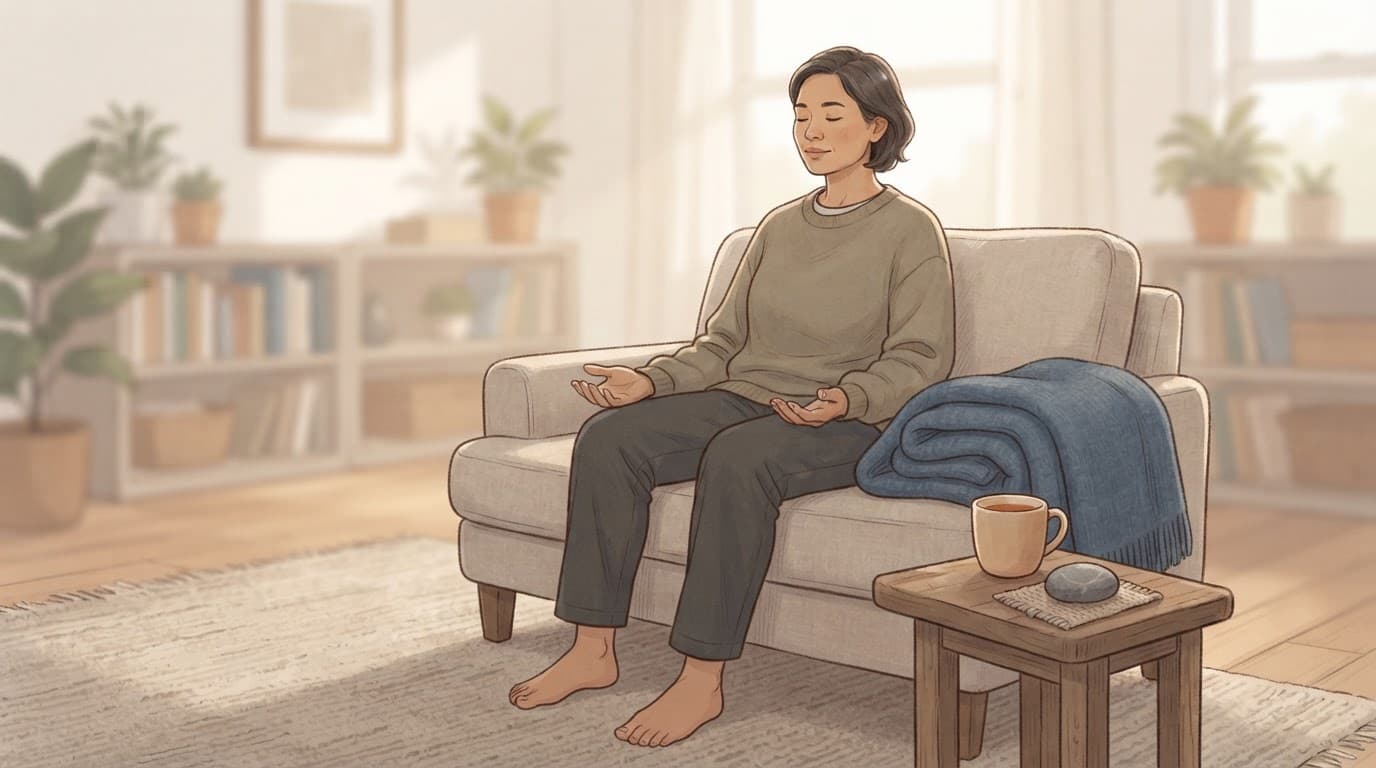
Place both feet on the floor or press them gently into the ground. Let your shoulders drop, soften your jaw, and notice the support beneath you.
Try paced breathing if it feels comfortable, as one of several relaxation techniques. Breathe in through your nose for four seconds, then breathe out slowly for six seconds. Repeat for a few minutes without forcing a large breath. A longer exhale may help engage the parasympathetic nervous system and support a shift out of high alert.
Gentle movement may help too. Walk slowly around the room, stretch your arms, shake out your hands, or step outside for fresh air.
If slow breathing makes you feel more uncomfortable, leave it. Press your feet down or name objects around you instead. Grounding should offer choice, not become another task to get right.
Orient yourself through your senses
Bring your attention back to the room you are in. Use grounding techniques by naming five things you can see, four things you can feel, three things you can hear, two things you can smell, and one thing you can taste.
You can also say a few plain facts out loud: your name, where you are, today's date, and what you are doing next. It may feel simple, but sensory attention can offer the parasympathetic nervous system a possible cue of safety. This may interrupt the frightening feeling that you are being pulled away from the present.
A cool drink, a textured blanket, a smooth stone, or washing your hands with warm water can give your senses something concrete to notice.
Make the smallest next plan
Anxiety often demands a huge answer right away. Offer it a smaller one. Drink water. Eat something if you haven't eaten in a while. Move to a quieter room. Put one task on hold for ten minutes.
If connection feels helpful, send a short message to someone you trust: "I'm feeling anxious and could use a calm voice." You don't need to explain everything or ask them to fix it.
Different techniques can become useful coping skills for different people. Keep the ones that help, and let go of the ones that don't.
Look for patterns without interrogating yourself
Once the wave has passed, gentle curiosity can be useful. The goal is not to prove that your anxiety is reasonable. It is to notice what may be adding pressure in the background.
Keep a brief, kind record
For one or two weeks, jot down when free-floating anxiety appears, how it feels in your body, what you ate or drank, how you slept, and what was happening earlier that day. Include emotional triggers and external factors, along with menstrual-cycle changes, pain, illness, or new prescriptions when they apply.
You may notice that anxiety arrives after a poor night's sleep, during long stretches without food, or after an energy drink. You may also notice no pattern at first. Both outcomes are okay.
Keep the note brief. A few lines in your phone are enough. If tracking starts to make you more anxious, pause it and bring that experience to a therapist or clinician instead.
Pay attention to background stress
Stress does not have to be dramatic to affect you. A packed schedule, financial worries, caregiving, conflict at home, a busy workplace, or too much time online can keep your body on edge.
Stress management can mean reducing one source of strain rather than changing your whole life at once. Small lifestyle habits, such as a regular meal, a firmer bedtime, fewer late-night work messages, or a short walk, can give your nervous system more room to settle. These steps aren't a cure. They are steady support for a body that has been working hard. Over time, steady routines may also support the parasympathetic nervous system as your body recovers.
Check physical and lifestyle contributors with care
Anxiety can have emotional, physical, or mixed causes, including an underlying medical condition. New or persistent symptoms deserve evaluation without assuming the worst.
Sleep, stimulants, and substances can amplify symptoms
High caffeine intake, energy drinks, nicotine, some decongestants, stimulant prescriptions, cannabis, and alcohol can worsen anxiety for some people. Caffeine is a common culprit because it can create sensations that look a lot like panic, including a fast heartbeat, sweating, and shakiness.
Consider reducing stimulants gradually, especially later in the day. Review your lifestyle habits with curiosity rather than trying to diagnose yourself. Notice whether coffee on an empty stomach or an afternoon energy drink lines up with your symptoms. Do not stop a prescribed medication without speaking with the person who prescribed it.
Sleep disturbances can make everything feel louder. Consistent sleep and reduced stimulant exposure may help the parasympathetic nervous system guide the body toward a calmer state. If sleep has been difficult, focus on one realistic change, such as a consistent wake-up time or moving your phone away from the bed.
Ask a clinician about medical possibilities
A primary care clinician can review your symptoms, medical history, prescriptions, sleep, and substance use. Depending on your situation, they may recommend blood work or other checks.
For example, an overactive thyroid can cause nervousness, tremor, sweating, sleep problems, and a rapid heartbeat. MedlinePlus explains common hyperthyroidism symptoms. Iron deficiency, vitamin B12 deficiency, hormonal changes, pain, infection, and heart or breathing conditions can also create physical sensations that deserve attention.
A clinician may consider tests for concerns such as anemia, thyroid changes, or low B12. The MMA test information from MedlinePlus explains how this test can help assess possible vitamin B12 deficiency. Avoid starting high-dose supplements based on anxiety alone. The right next step depends on your full health picture.
When ongoing anxiety needs more support
You do not need a diagnosis to ask for help. If anxiety is affecting your sleep, work, relationships, appetite, or ability to leave home, it is enough reason to talk with a mental health professional.
Everyday stress, GAD, and panic attacks are different patterns
Everyday stress often rises around a clear problem and eases when that problem changes. Free-floating anxiety may lack an obvious trigger, but it still deserves support. Generalized anxiety disorder, or GAD, involves persistent, difficult-to-control worry across multiple areas of life. For diagnosis, symptoms are present more days than not for at least six months.
The NIMH guide to generalized anxiety disorder describes patterns such as restlessness, fatigue, irritability, muscle tension, poor concentration, and sleep problems. Only a qualified clinician can diagnose GAD, but you do not need to wait six months to make an appointment.
Panic attacks are more sudden. They can bring an intense rush of fear, chest discomfort, dizziness, tingling, nausea, or fear of losing control. NIMH's panic disorder resource explains that recurrent unexpected attacks, followed by ongoing worry or avoidance, deserve assessment.
Treatment can be practical and personal
Psychotherapy includes approaches such as cognitive behavioral therapy, often called CBT. It can help you notice fearful thought patterns and respond differently to body sensations. A trauma-informed therapist can also help you understand trauma and PTSD, including whether past experiences still shape your sense of safety.
Some people benefit from medication prescribed by a primary care clinician or psychiatrist. SSRIs and SNRIs are common antidepressants for anxiety disorders, though antidepressants often take several weeks to work. Your preferences, health history, and goals should guide the conversation.
Therapy is not about forcing yourself to relive hard experiences or explain every feeling perfectly. It is a place to build coping skills, feel understood, and make sense of what your body may be carrying.
Know when you need urgent help
Signs that need emergency care
Call 911 or go to the emergency room for new chest pressure or pain, severe trouble breathing, fainting, seizures, blue lips, or new confusion. These may signal a medical emergency. Anxiety can resemble serious medical conditions, so it’s always okay to seek urgent evaluation.
Support during a mental health crisis
If you are thinking about suicide, worried you may hurt yourself, unable to stay safe, or need immediate emotional support, call or text 988. The 988 Suicide & Crisis Lifeline is free, confidential, and available 24 hours a day.
You deserve support before a crisis reaches its worst point. Professional help is appropriate when anxiety is new, worsening, persistent, or making daily life feel smaller.
Frequently Asked Questions
Why do I feel anxious when nothing is wrong?
Your nervous system can react to stress, body sensations, or background changes before your conscious mind identifies a clear trigger. Poor sleep, chronic stress, caffeine, past experiences, and medical factors can all contribute to unexplained anxiety.
What can I do when unexplained anxiety starts?
Begin with one small grounding technique, such as pressing your feet into the floor, naming objects around you, or breathing out slowly if that feels comfortable. You can also drink water, move to a quieter place, or contact someone you trust.
Should I see a doctor about unexplained anxiety?
Consider speaking with a clinician if anxiety is new, persistent, worsening, or affecting your sleep, work, relationships, appetite, or ability to leave home. A clinician can review your symptoms, medications, sleep, substance use, and possible medical contributors.
How is free-floating anxiety different from a panic attack?
Free-floating anxiety may feel like ongoing or recurring worry without an obvious target. A panic attack is usually a sudden rush of intense fear or discomfort that can include chest symptoms, dizziness, nausea, tingling, or fear of losing control.
When is anxiety an emergency?
Call 911 or go to the emergency room for new chest pressure or pain, severe trouble breathing, fainting, seizures, blue lips, or new confusion. If you are thinking about suicide, may hurt yourself, or cannot stay safe, call or text 988 for immediate support.
A Kinder Next Step
There may not be one obvious reason for your anxiety. That doesn’t mean it’s imagined, and it doesn’t mean you’ve failed to cope.
Start with a small reset, notice patterns with compassion, and let a clinician help check for medical concerns when needed. You do not need proof that you are struggling before asking for support.
When you're ready, RAFT Counseling offers in-person therapy in Parker and telehealth support across Colorado and we would love to connect with you!